







Search Results for: Strong Wind Weather

Sudden Strong Winds Hit Two Outdoor Coffee Festivals in Nanning and Ningbo, Tents Flipped and Heavy Losses Incurred
Recently, a strong cold front swept across China from north to south, hitting North China first before strong winds continued southward, dispersing the earlier muggy heat in South China. On this cool weekend, Nanning in Guangxi and Ningbo in Zhejiang each hosted outdoor coffee festivals, attracting many residents to visit and check in. However, the weather did not cooperate, and both events were hit by sudden fierce winds. Tents on site were uprooted, stall facilities were overturned, and the losses were heavy. Fortunately, there were no casualties. The meteorological observatory had issued a strong wind warning in advance, but the organizers did not adjust the event arrangements or take effective emergency measures, triggering widespread public questioning online. This article will take you through what happened at these two outdoor coffee festivals and discuss issues related to safety management for outdoor events. [more…]
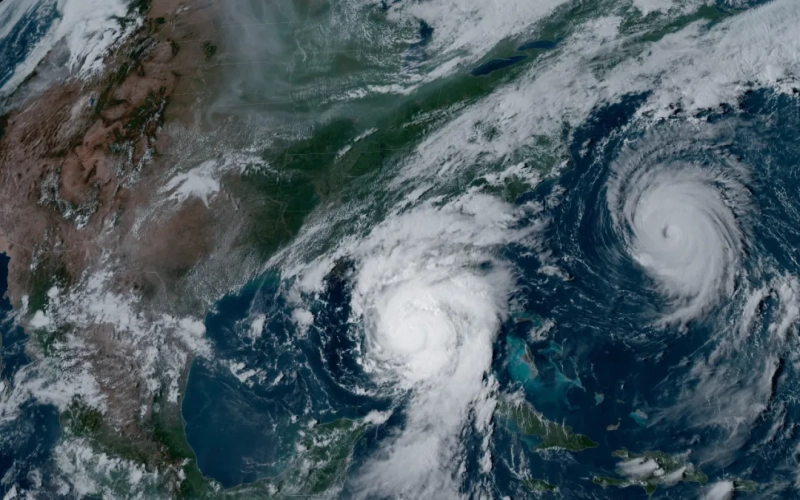
The 2024 Atlantic hurricane season is unusually active, and coffee-producing regions in Central America face dual pressures of reduced yields and exports.
The latest report from the National Oceanic and Atmospheric Administration (NOAA) shows that the 2024 Atlantic hurricane season activity could reach three times the usual level, with an 85% probability of being stronger than normal years. Warm ocean waters, reduced wind shear, and the transition from El Niño to La Niña will combine to spawn more and stronger storms. Multiple coffee-producing countries along the Gulf of Mexico, the Caribbean Sea, and the Atlantic coast—including Mexico, Cuba, Jamaica, Honduras, Nicaragua, Guatemala, and Costa Rica—may all be affected. The strong winds and heavy rain brought by hurricanes not only threaten coffee flowering and harvesting, but may also disrupt shipping, drive up transportation costs, and exacerbate coffee price fluctuations. This article reviews the hurricane season forecast data, the affected producing regions, and the potential impact on the coffee industry, for the reference of coffee enthusiasts. [more…]

São Paulo State, Brazil Hit by Strongest Storm Since 1995, Coffee Industry and Multiple Sectors Suffer Losses of 1.65 Billion Reais
Brazil's São Paulo state recently suffered its strongest storm since 1995, with wind speeds reaching 107.6 kilometers per hour, causing at least 7 deaths, power outages for more than 3.1 million residential and commercial users, and cumulative economic losses of 1.65 billion reais. This extreme weather not only severely damaged local power supply and industrial production, but also directly harmed coffee trees that were in the flowering stage of the new crop season, leading to a decline in coffee production. At the same time, Brazil's largest coffee-producing region, Minas Gerais, continues to face the threat of drought and high temperatures. The official agency Conab has lowered its production forecast, with total output decreasing by about 4 million bags compared with the previous year. This article will provide a detailed review of the impact of this disaster on Brazil's coffee industry and related economic sectors. [more…]
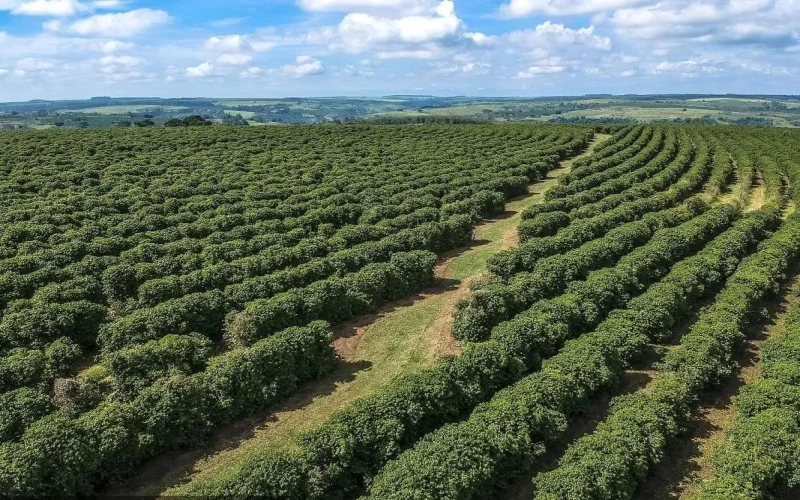
Brazil Hit by Extreme Rainstorms, New Coffee Crop Yield Faces Severe Test
Several major coffee-producing regions in southeastern Brazil were recently hit by severe storms formed by the collision of strong cold fronts and high temperatures. São Paulo, Minas Gerais, Espírito Santo, and Rio de Janeiro were all affected, with rainfall in some areas exceeding 100 mm per day and wind speeds reaching up to 100 km/h. Together, these regions account for 48% of Brazil's total national coffee output, and as the coffee berries are currently in their fruit-setting stage, the storms and heavy rain caused large numbers of cherries to drop. Industry insiders are calling on coffee farmers to strengthen precautions. At the same time, the heavy rain has caused at least 24 deaths and displaced thousands of people, while the dengue fever outbreak continues to spread, putting pressure on the healthcare system and raising the risk of labor shortages during the harvest period. Front Street Coffee will continue to follow developments in Brazil's producing regions and bring coffee lovers the latest information. [more…]

Heavy Rain in Southern Brazil Devastates São Paulo Coffee Region, Flooding Threatens New Crop Yield During Flowering Season
Several states in southern Brazil have recently been hit by severe storms and heavy rain, with São Paulo and Rio de Janeiro states particularly hard hit, causing casualties and widespread power outages. This coincides with the flowering season for Brazilian coffee trees, and excessive rainfall and flooding could wash out farmland and knock coffee flowers off the trees, threatening production for the new season. At the same time, disrupted rainfall patterns in Minas Gerais are making the planting situation even more severe. The storms have also affected logistics and transportation, worsening ship delays at ports. The market is worried that a reduction in Brazilian coffee production will persist, and prices may remain high or even rise further. This article will review the impact of the disaster and the subsequent trajectory of the coffee industry. [more…]

Tropical Storm Carlotta Hits Mexican Coffee-Growing Regions, Adding Further Uncertainty to Production Prospects
Mexico's major western coffee-producing regions were recently hit by Tropical Storm Carlotta, with heavy rainfall, lightning, and hail posing a serious threat to coffee trees in their flowering stage. The states of Colima, Jalisco, Michoacán, and Nayarit produce about 15% of Mexico's coffee output, and roughly 80% of the country's coffee-growing area had already been affected by high temperatures and drought. Industry insiders expect yield losses could reach 50%. After the storm, neighboring states such as Oaxaca and Chiapas also face risks of flooding and landslides. Meanwhile, Mexico is striving to boost its coffee industry, with a production target of 3.89 million bags for the 2024/25 season, but a succession of extreme weather events has cast a shadow over this vision. [more…]
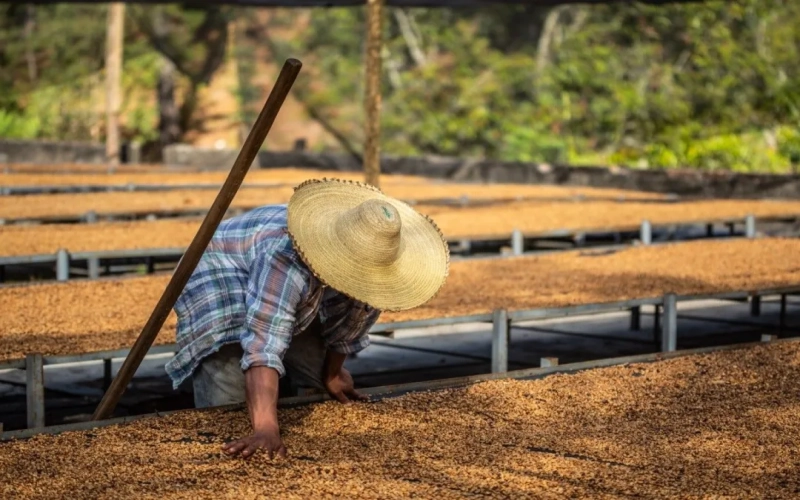
Honduran coffee industry hit by double decline in production and exports, foreign exchange losses may reach 300 million USD
Honduras, as Central America's largest producer and exporter of washed Arabica coffee, is facing a severe industry crisis. Affected by factors such as changing weather patterns, high incidences of leaf rust, and labor shortages, the country's coffee production and exports have both declined. Foreign exchange earnings in the first four months of this year have already decreased by nearly 100 million US dollars, with an estimated potential loss of about 300 million US dollars for the entire year. Income from coffee cultivation in the 2023/24 season fell by approximately 27% compared to the previous season. The president of Honduras's National Coffee Council warned that if urgent measures are not taken, harvests will continue to decline, causing far-reaching impacts on producers and the entire country. Front Street Coffee continues to follow developments in Honduran coffee-producing regions, bringing the latest information to coffee enthusiasts. [more…]
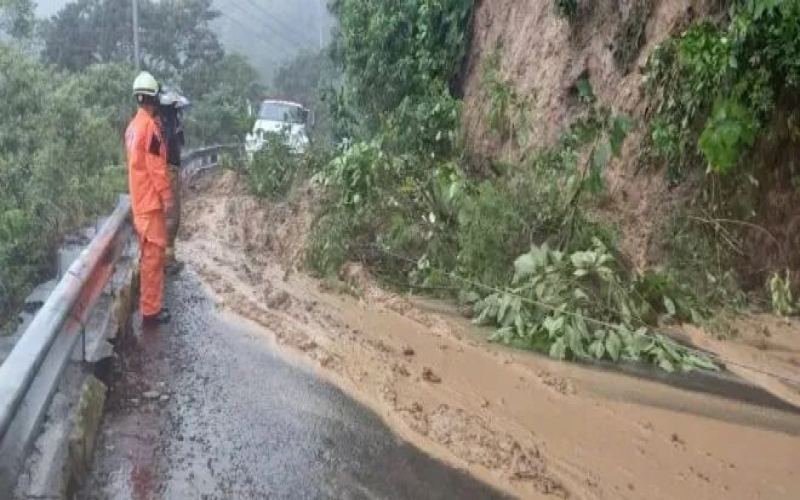
Panama's Boquete Hit by Severe Storms: Frequent Landslides Put Specialty Coffee Region to a Severe Test
Since October, Panama has entered its rainy season, but this year, under the influence of Tropical Storm Rafael, torrential rain and strong winds have been unusually severe, triggering multiple landslides and floods, with Chiriquí Province and other areas hit hard. Boquete, the core production area for Panama's specialty coffee, has not been spared either, with roads damaged, water supplies cut off, and coffee transportation blocked. Even more concerning is that the coffee harvest season is approaching in December, and continued heavy rain could damage coffee trees that are currently bearing fruit, further affecting quality and yield. This article will review the progress of the disaster and its potential impact on the coffee industry. [more…]
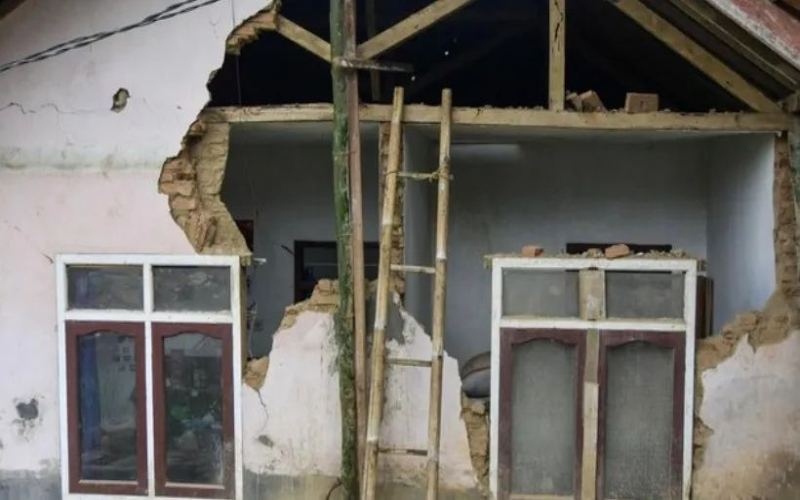
Two major coffee-producing regions in Indonesia have been hit by disasters in succession; output may decline further, and prices could keep rising.
Recently, several major coffee-producing regions in Indonesia have been hit by natural disasters. A magnitude 5.0 earthquake struck near Bandung in West Java on the island of Java, causing injuries and damage to homes; the Aceh region in northern Sumatra was hit by heavy rain and strong winds, and with the coffee harvest season underway, harvesting work has been disrupted. At the same time, several provinces are also facing ongoing drought, and coffee production may decline further. This article summarizes the disaster situations in various areas and their impact on Indonesia's coffee industry. [more…]
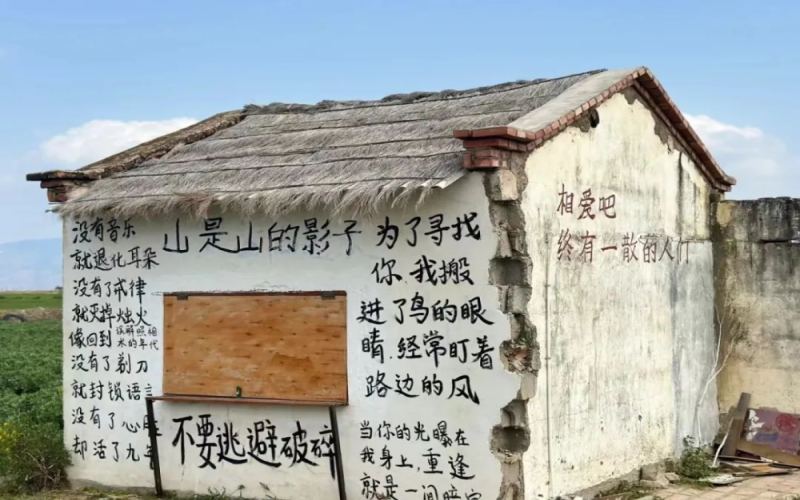
Reality vs. Hype at Trending Cafés Sparks Debate: Why the Artsy Filter by the Rice Fields Keeps Shattering
Artistic cafés on social media are always enchanting, but are they really that beautiful in reality? Recently, a tourist traveled all the way to Dali, Yunnan, to visit a trendy café by the rice fields, only to be stunned by what they saw—a thatched roof and mottled white walls, mocked as looking like an outhouse at the village entrance. From lush green rice paddies to a withered yellow expanse after harvest, from carefully composed shots to filter-enhanced images, when natural scenery becomes a café's selling point, variables like season and weather can shatter the artistic fantasy at any moment. This article takes you behind the scenes of trendy cafés, and also reminds coffee lovers to do their homework before making a trip to check in, and not to be led astray by "photo scams." [more…]
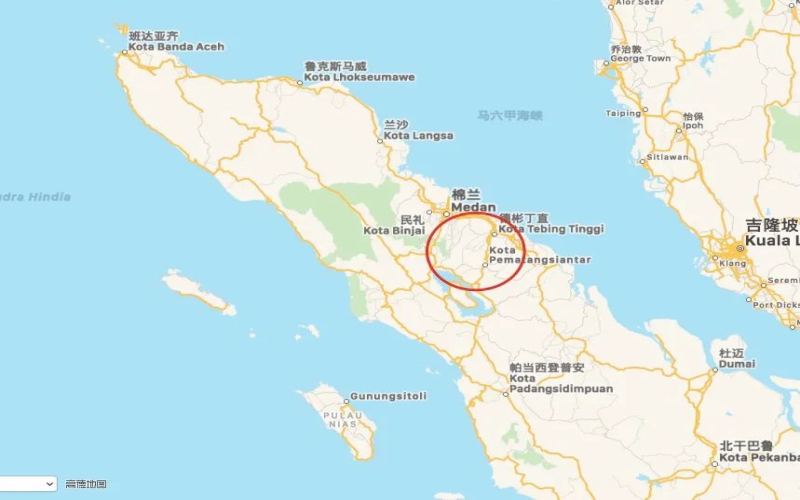
Heavy rains in northern Sumatra trigger floods and mudslides, affecting the Mandheling Arabica growing region
Recently, northern Sumatra in Indonesia has experienced continuous heavy rainfall, triggering secondary disasters such as flash floods and landslides in multiple areas of North Sumatra Province, resulting in 20 deaths and multiple injuries so far. This disaster has not only caused severe damage to local infrastructure including houses, schools, and roads, but has also directly affected the Arabica coffee-growing belt in the Lintong region of central Sumatra—the area where the world-renowned Mandheling coffee is produced. Meanwhile, Deli Serdang Regency, an important commodity transport corridor leading to the Medan seaport, has also been damaged by landslides, disrupting import and export operations. As the Arabica harvest season is currently underway, days of heavy rain may cause ripe cherries to drop and yields to decline, with the market generally holding a cautious attitude toward the supply outlook for the new harvest season. [more…]

Panama Hacienda La Esmeralda Diamond Mountain Series: A Comprehensive Analysis of the Origin, Varieties, and Brewing of Caturra and Catuai Natural Process Beans
In the specialty coffee world, Panama's Hacienda La Esmeralda is renowned for its Geisha variety, but the estate also has two Caturra and Catuai product lines worth noting: Diamond Mountain and Pamira. This article focuses on the sun-dried Diamond Mountain coffee beans introduced by Front Street Coffee, starting with the history of Hacienda La Esmeralda, then outlining the varietal characteristics of Caturra and Catuai, and going deeper into the microclimates and plot divisions of Diamond Mountain's two growing areas, Canas Verdes and Jaramillo. Finally, it presents Front Street's complete green bean identification, roasting curve, cupping data, and V60 brewing method, providing coffee enthusiasts with a detailed profile that combines origin knowledge and practical reference. [more…]

Severe storm hits São Paulo state, Brazil: Over two million users without power, coffee-growing regions hit again
The state of São Paulo, Brazil, recently endured a violent storm accompanied by historically powerful winds, leaving at least 7 people dead, 2.1 million users without power, and severely disrupting transportation, water supply, and business operations. As an important coffee-producing region in Brazil, São Paulo state has this year been hit in succession by drought, wildfires, and torrential rain, casting a shadow over the prospects for coffee growth in the new crop season. With power slow to be restored, inventory is piling up at processing plants and the risk of port delays is intensifying. Combined with expectations of reduced output in Vietnam and other producing origins, international coffee futures prices continue to run at high levels. This article will review the impact of the disaster, the abnormal climate in the producing region, and the chain reactions for the coffee industry. [more…]

Making a rich, sweet hot latte at home: a complete guide from choosing milk and beans to pulling the espresso
As the weather turns cooler, a warm, sweetly fragrant hot latte becomes many people's go-to daily choice once again. But many friends always run into the same problems when recreating it at home: the latte they make either has bitterness that steals the show, or has such a heavy milk flavor that it overwhelms the coffee aroma, making it hard to achieve the balanced, rich, and sweet taste found in cafés. In fact, a delicious hot latte is not just a simple mix of espresso and milk—bean selection, milk choice, extraction, and ratio all directly affect the final flavor. This article will start from two dimensions—ingredient selection and the production process—to sort out the key ideas for making a balanced, rich hot latte at home, including the roast level and blending direction of coffee beans suitable for milk coffee, the logic of pairing milk with beans, reference formulas for espresso extraction, and methods for adjusting the ratio of milk to coffee, helping you find your own golden recipe at home. [more…]

Starbucks Autumn Blend Coffee Beans Flavor Analysis: Brewing Tips for a Latin America and Sumatra Blend
As autumn breezes bring refreshing coolness, Starbucks launches its autumn blend coffee beans in maple-orange packaging every fall. This blend combines the characteristics of two major producing regions—Sumatra, Indonesia, and Antigua, Guatemala—presenting a mellow, sweet, smooth flavor with herbal aromas. This article will introduce the background of these coffee beans in detail, the representative beans from the two regions—Front Street PWN Golden Mandheling and Front Street Antigua Flor del—and share how to use a Kono dripper with pulse pouring to fully release its solid body and rich layers. Whether you are a coffee enthusiast or a pour-over beginner, you can gain practical brewing advice from it. [more…]
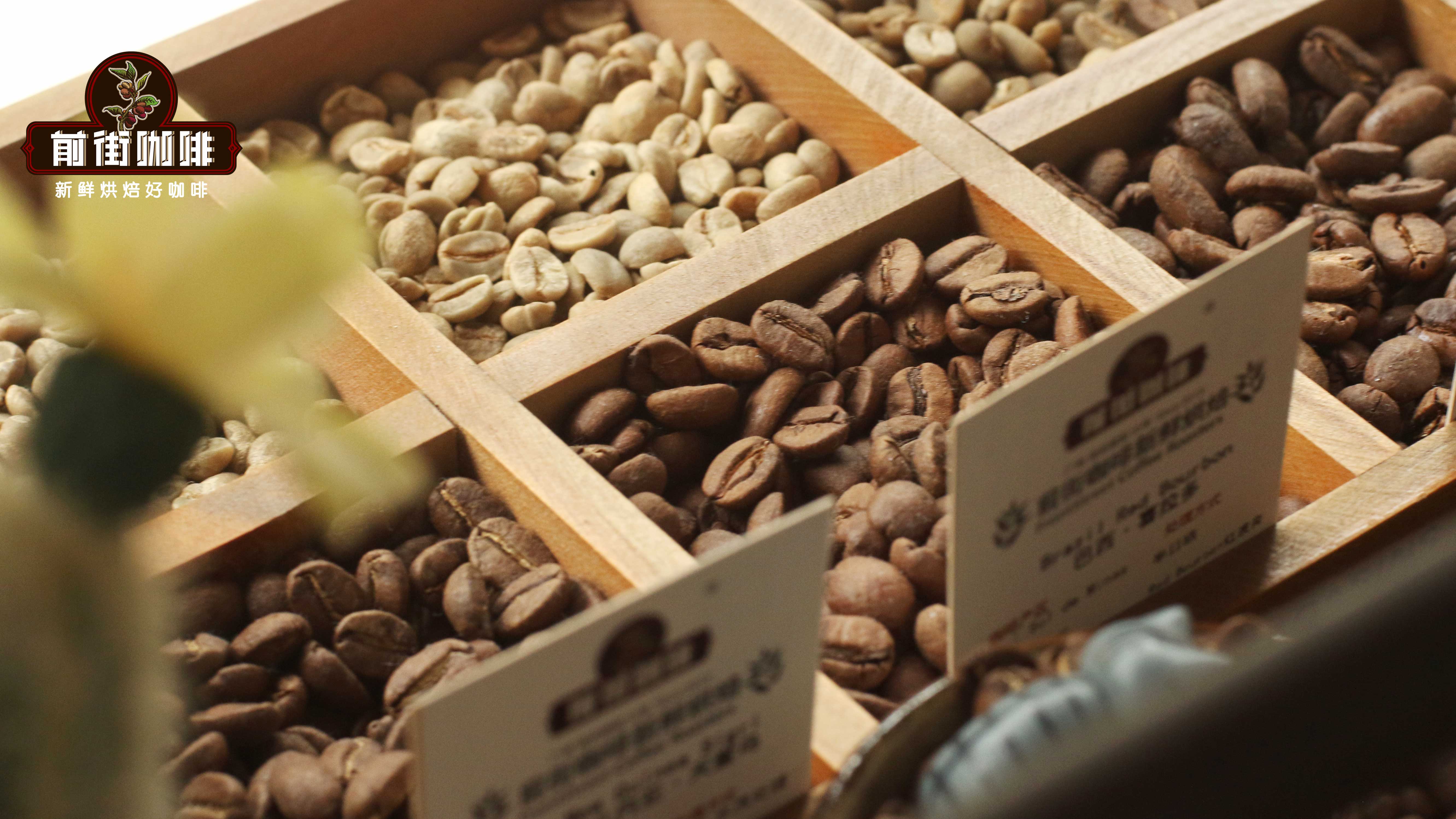
A Complete Guide to Brazilian Coffee Varieties and Major Producing Regions: A Guide to Natural Processing and Bourbon Coffee Brewing
As the world's largest coffee producer, Brazil's coffee-growing history and variety evolution have profoundly shaped the global coffee landscape. From the introduction of Typica in the 18th century to the successive emergence of Bourbon, Caturra, Catuai, Mundo Novo, and other varieties, Brazil has not only nurtured many classic coffee varieties but also invented the pulped natural processing method to cope with climate and water resource challenges. This article will systematically sort out the variety lineage and main producing regions of Brazilian coffee, with a focus on Front Street Coffee's Red Bourbon and Queen's Farm Yellow Bourbon, along with detailed roasting analysis and pour-over brewing suggestions. [more…]
A Detailed Account of the Cultivation History of Gesha at Colombia's Hacienda La Esperanza and the Pour-Over Technique for Rose Valley Coffee
Among Colombia's coffee-growing regions, Hacienda La Esperanza is renowned for its dedication to specialty coffee and its innovative introduction of the Geisha variety. From learning from Panama to successfully cultivating Geisha in the Cauca Valley, and then winning the World Coffee Championship, Hacienda La Esperanza has redefined coffee cultivation through scientific management and a winery philosophy. This article will outline its cultivation characteristics, microclimate experiments, and strict quality control, and share the pour-over brewing method for Rose Valley coffee beans, making it suitable for coffee enthusiasts to gain an in-depth understanding of the charm of Colombian specialty coffee. [more…]
Panama Hacienda La Esmeralda Diamond Mountain Coffee Beans: A Complete Analysis of the Caturra and Catuai Variety Story and Flavor Characteristics
Panama's Hacienda La Esmeralda is world-famous for Geisha, but the estate actually also grows two other major varieties, Caturra and Catuai, from which it has created two brands, Diamond Mountain and Palmira. In this article, Front Street Coffee focuses on the Diamond Mountain series, covering the estate's history, the accidental discovery of Geisha, the characteristics of the Caturra and Catuai varieties, the terroir of the Boquete production region, Hacienda La Esmeralda's meticulous plot divisions, and the natural processing flow, roasting curve, and brewing parameters, to provide a comprehensive interpretation of this coffee's background and flavor performance. [more…]
Arabica Coffee Bean Flavor and Taste Analysis: From Typica to Catuai, a Complete Guide to Pour-Over Single-Origin Bean Varieties
Global coffee varieties are mainly divided into three major categories: Arabica, Robusta, and Liberica. Among them, Arabica occupies about 70% of total production thanks to its superior flavor, and it is also the primary bean type used by specialty coffee shops. Front Street Coffee's offerings are basically all made with Arabica beans. Arabica has many sub-varieties, each with its own characteristics, such as Typica, Bourbon, Caturra, and Catuai. This article will systematically review the origins, morphological characteristics, cultivation performance, and flavor tendencies of these common varieties, while also briefly introducing the current status of Robusta and Liberica, to help coffee enthusiasts more clearly understand the selection logic and flavor differences of pour-over single-origin coffee beans. [more…]
Arabica Coffee Beans in Detail: Grade Positioning, Characteristics of Major Cultivated Varieties, Origin Sources, and Flavor Performance
Arabica coffee accounts for about 70% of global coffee production. It is the bean variety most commonly used by specialty coffee shops and the foundation of all Front Street Coffee products. It is not a single variety, but a vast family that includes numerous subcategories such as Typica, Bourbon, Caturra, and Catuai. From Front Street's perspective, this article reviews the growing altitude and growth conditions of Arabica coffee, introduces one by one the varietal origins, plant characteristics, and cup flavor differences of Typica, Red Bourbon, Yellow Bourbon, Pink Bourbon, Caturra, and Catuai, and briefly compares Robusta and Liberica, the two other major native coffee species, to help coffee lovers build a complete understanding of the Arabica coffee system. [more…]